


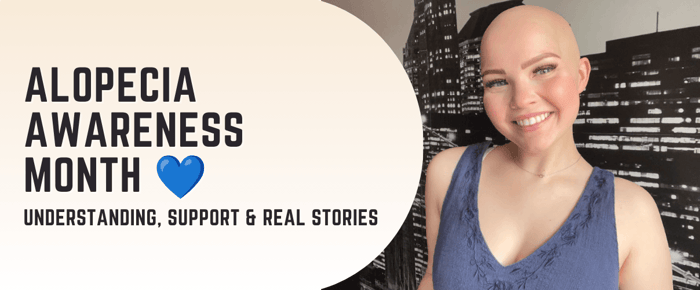

Every September, the alopecia community gets a little louder — and that's the whole point. September is Alopecia Areata Awareness Month, a time to trade silence and stigma for honest conversation, real information, and the reminder that no one going through this is going through it alone. Whether you've just found your first bald patch, you've lived with alopecia for years, or you love someone who has it, this guide is for you.
Key takeaways
- September is Alopecia Areata Awareness Month, led by the National Alopecia Areata Foundation (NAAF).
- Alopecia areata is autoimmune — the immune system mistakenly attacks hair follicles. It's not contagious, and it's not your fault.
- It's common — nearly 7 million people in the US, and around 160 million worldwide, live with it.
- It can start at any age and affects all genders and ethnicities.
- There's real hope — newer FDA-approved treatments, plus immediate, low-risk options like wigs and toppers.
Table of Contents
- Key takeaways
- What is Alopecia Awareness Month?
- What is alopecia — and what is alopecia areata?
- What causes alopecia areata?
- The types of alopecia, explained
- The emotional side of alopecia
- Real stories: women living with alopecia
- Treatment and support: what your options look like
- How to get involved this September
- Wigs and toppers: confidence on your own terms
- Frequently asked questions
- The bottom line
What is Alopecia Awareness Month?
Alopecia Awareness Month takes place every September. It's led by the National Alopecia Areata Foundation (NAAF), and it's dedicated to raising understanding of alopecia areata while building support and research funding for the millions of people it affects.
Through the month you'll see communities sharing stories, landmarks lit up in NAAF's colors, and events like the annual Walk For Alopecia. But you don't need to organize anything to take part — sometimes the most powerful thing is learning a little more, or letting someone with alopecia know they're seen. That's what the month is about:
- Awareness — replacing myths with facts.
- Support — connecting people with community, resources, and research.
- Acceptance — making space for confidence, however you choose to wear it.
What is alopecia — and what is alopecia areata?
"Alopecia" is simply the medical term for hair loss — it covers many types, from genetic thinning to temporary shedding. The type at the heart of this awareness month is alopecia areata: an autoimmune condition in which the immune system mistakenly attacks the hair follicles, causing hair to fall out, often in small, round patches.
It's far more common than many assume. According to NAAF, nearly 7 million people in the US and around 160 million worldwide live with alopecia areata, and research indexed by the National Institutes of Health puts the lifetime risk at about 2.1% — roughly 1 in 50 people. If you're living with it, you are in very large, very good company.
What causes alopecia areata?
Alopecia areata is an autoimmune condition. As NIAMS explains, it happens when the immune system attacks the hair follicles and causes hair loss. Genetics can make someone more susceptible, and it sometimes appears alongside other autoimmune conditions — but it isn't caused by anything you did.
Two of the most common myths, cleared up:
- It's not contagious. As Cleveland Clinic puts it plainly, you can't catch it or pass it on.
- Stress isn't the root cause. Stress or illness may act as a trigger in someone already predisposed, but the underlying condition is autoimmune — not simply "nerves."
It can also begin at any age and affects people of all genders and ethnic backgrounds. There's no single "type" of person who gets alopecia — which is exactly why awareness matters.
The types of alopecia, explained
Because "alopecia" is an umbrella term, it helps to know how the main types differ. The first three are forms of alopecia areata (the autoimmune kind); the rest are other common causes of hair loss.
| Type | What it looks like |
|---|---|
| Alopecia areata (patchy) | The most common form — smooth, round patches of hair loss on the scalp or body. |
| Alopecia totalis | Loss of all or nearly all of the hair on the scalp. |
| Alopecia universalis | Loss of hair across the whole body, including eyebrows and eyelashes. |
| Androgenetic alopecia | Genetic "pattern" thinning (female/male pattern hair loss). Not autoimmune. |
| Traction alopecia | Hair loss from repeated pulling or tension, often from tight hairstyles. |
| Scarring (cicatricial) alopecia | Permanent loss where follicles are replaced by scar tissue. |
| Telogen effluvium | Temporary, diffuse shedding after stress, illness, childbirth, or hormonal change — usually reversible. |
Knowing which type you're dealing with matters, because it shapes what will actually help. If you're not sure, a dermatologist can diagnose the type and talk you through your options.
The emotional side of alopecia
Here's the part that doesn't always make it into the medical pamphlets. Losing your hair — especially suddenly, or in patches you can't predict — can shake your sense of identity and confidence in a way that's hard to describe to someone who hasn't lived it. That response is completely valid.
It's also well recognized by clinicians. Cleveland Clinic notes that alopecia areata can bring stress, anxiety, and depression, and that the emotional impact deserves care just as much as the physical side. The most important thing to hear this month is simple: you are not alone, and how you feel is normal. Support — from loved ones, from others with alopecia, or from resources like NAAF's emotional wellness hub — can make a real difference.
Real stories: women living with alopecia
Facts help, but stories heal. Some of the most powerful support comes from women who've walked this exact road — and are living proof that alopecia doesn't get the final say on confidence. Here are two of them, in their own words.
Lacie Rodriguez
Known for her presence online, Lacie has become a source of encouragement across the female hair loss community. Her journey began in college, when depression and anxiety triggered her hair loss — and she's been honest about every part of it since.
Marcy Gallant
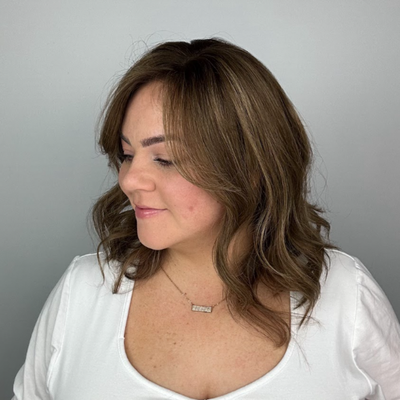
A social media creator who's redefining beauty standards, Marcy was diagnosed with alopecia at just six years old. Her path from self-consciousness to genuine self-assurance is as inspiring as it gets — and a reminder of how far confidence can carry you.
Treatment and support: what your options look like
One of the most encouraging shifts in recent years is that alopecia areata now has FDA-approved prescription treatments — something that didn't exist a few years ago. For severe alopecia areata, three oral medications called JAK inhibitors have been approved:
- Baricitinib (Olumiant) — approved 2022, for adults.
- Ritlecitinib (Litfulo) — approved 2023, for people aged 12 and older.
- Deuruxolitinib (Leqselvi) — approved 2024, for adults.
These can genuinely help some people regrow hair — but they're prescription medications for severe cases, they carry real risks and require medical monitoring, and results vary. There's also no universal "cure": as Cleveland Clinic notes, hair may regrow, and it may fall out again, and every case is different. So the right first step is a conversation with a dermatologist about what's appropriate for you. NAAF keeps an up-to-date overview of the FDA-approved treatments.
And alongside any medical route, remember: you don't have to wait to feel confident. Wigs and hair toppers offer an immediate, low-risk, entirely-in-your-control way to show up exactly how you want — today, not months from now.
How to get involved this September
- Learn and share. Passing along accurate information helps break down myths and stigma.
- Support the cause. NAAF runs awareness events and funds research all September — a donation, a share, or joining a Walk For Alopecia all count.
- Check in on someone. If you know a person living with alopecia, a simple "I'm thinking of you" can mean more than you'd expect.
- Be gentle with yourself. If you're the one with alopecia, let yourself receive support, not just give it.
Wigs and toppers: confidence on your own terms
For many women with alopecia, a well-made wig or hair topper isn't about hiding — it's about choice. The freedom to walk out the door without a second thought, to switch up your look whenever you like, or to go without and own it entirely. Alopecia is part of your story, but it doesn't define you — and neither does whether you wear hair on any given day.
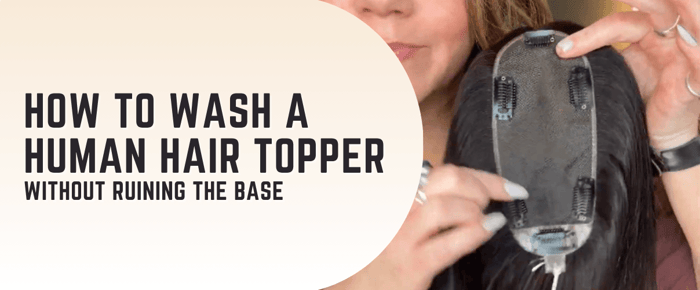
Modern human-hair pieces look and move remarkably naturally, and the right one depends on your type and extent of hair loss. Hair toppers add coverage where alopecia has caused patchy loss, while full wigs suit more extensive loss such as alopecia totalis or universalis. And because alopecia is a medical condition, a wig may qualify for insurance reimbursement — our medical insurance and wigs guide walks through that.
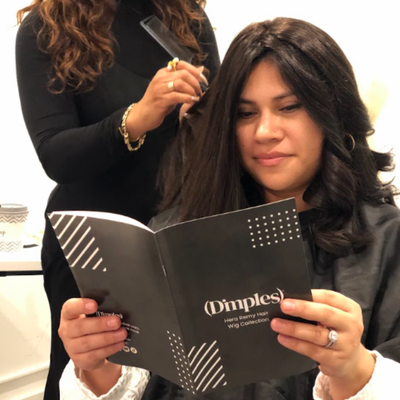
Not sure where to start? You can book a free consultation and we'll help you find something that feels genuinely yours — no pressure, just support.
Frequently asked questions
Is alopecia areata contagious?
No. Alopecia areata is an autoimmune condition, not an infection — you can't catch it from someone else or pass it on through any kind of contact.
Is alopecia areata caused by stress?
Not directly. The condition is autoimmune. Stress or an illness may act as a trigger in someone already genetically predisposed, but stress on its own doesn't cause it, and it isn't something you brought on yourself.
Does hair grow back with alopecia areata — and can it be cured?
There's no universal cure, but hair can regrow. For some people it grows back and stays; for others it regrows and falls out again later. Newer FDA-approved treatments help some people with severe alopecia areata regrow hair, and a dermatologist can advise on what's right for you.
At what age can alopecia areata start?
Any age. It commonly begins in childhood or early adulthood, but it can appear at any point in life, and it affects all genders and ethnic backgrounds.
Can you wear a wig or hair topper with alopecia?
Absolutely — and many women with alopecia do. Hair toppers suit patchy or partial loss, while full wigs work well for more extensive loss like alopecia totalis or universalis. Because alopecia is a medical condition, the piece may also qualify for insurance reimbursement.
The bottom line
Alopecia Awareness Month is really an invitation — to understand a little more, judge a little less, and remember that behind every statistic is a real person navigating something tender. If that person is you, please know this: alopecia is common, it's not your fault, and you have more options and more support than ever before.
Wherever you are in your journey, we're here to help. Explore our wigs and hair toppers made for women with hair loss, or book a free consultation to talk it through with someone who gets it.
About the author
The Dimples Hair Team is made up of wig and hair topper specialists with decades of experience in alternative hair and hair loss education. Since 1968, Dimples has handcrafted high-quality wigs and toppers for women with hair loss, with locations in the UK and the United States. Every article is written or reviewed by our team to ensure accurate, practical guidance drawn from real consultation and styling experience.
This article is for education and support and isn't a substitute for medical advice. If you're concerned about hair loss, please speak with a doctor or dermatologist.
Hera 19" | Remy Human Hair Lace Front Wig (Hand-Tied)
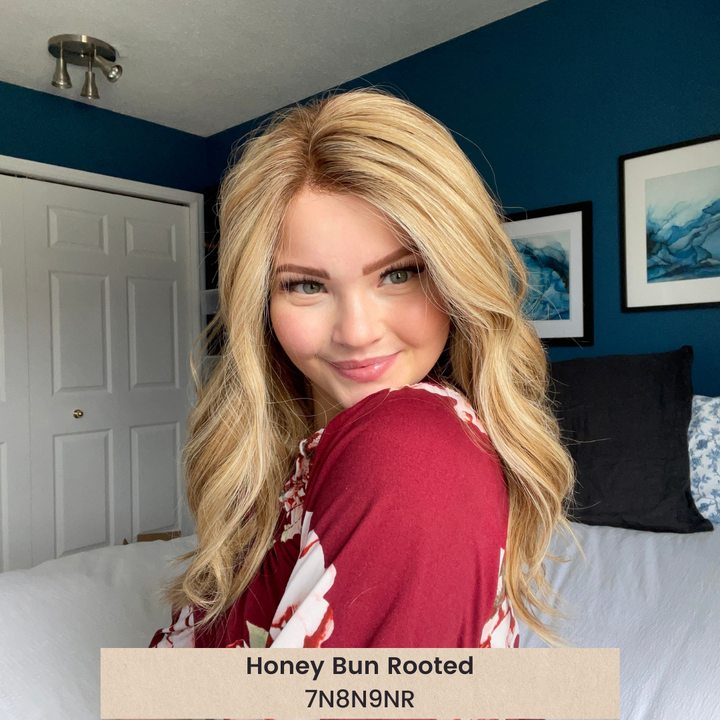
$3,299.00
Hera 19" is made for bold beauty and everyday wear. With flowing 19" of Remy human hair and a seamless lace front, this hand-tied wig gives you freedom to move, part, and style — all without compromise. PerFit® Cap Construction:… read more
Hera 23" | Remy Human Hair Lace Front Wig (Hand-Tied)

$4,700.00
Meet the longest length in our Remy wig collection: 23 inches of Remy human hair, handcrafted for life, movement, and goddess-tier energy. Why We Love Hera 23": PerFit® for barely-there wear: A hand-tied cap lined with silky-soft comfort—so intuitive, it feels… read more
Clio 12 L PLUS | Remy Human Hair Topper (Reinforced Hand-Tied Base)

$1,989.00
Clio 12 L Plus is a thoughtfully constructed Remy human hair topper created for women who wear their toppers often and value long-term durability. Made with 100% Remy human hair, it offers the same soft movement and natural appearance you… read more
Clio 14 L French | Remy Human Hair Topper (Hand-Tied)

$2,189.00
Clio 14 L French is a large base, hand-tied Remy human hair topper designed for women with moderate to advanced hair loss. With 100% Remy human hair and a 14" length, it offers full coverage, soft volume, and natural movement—without… read more