


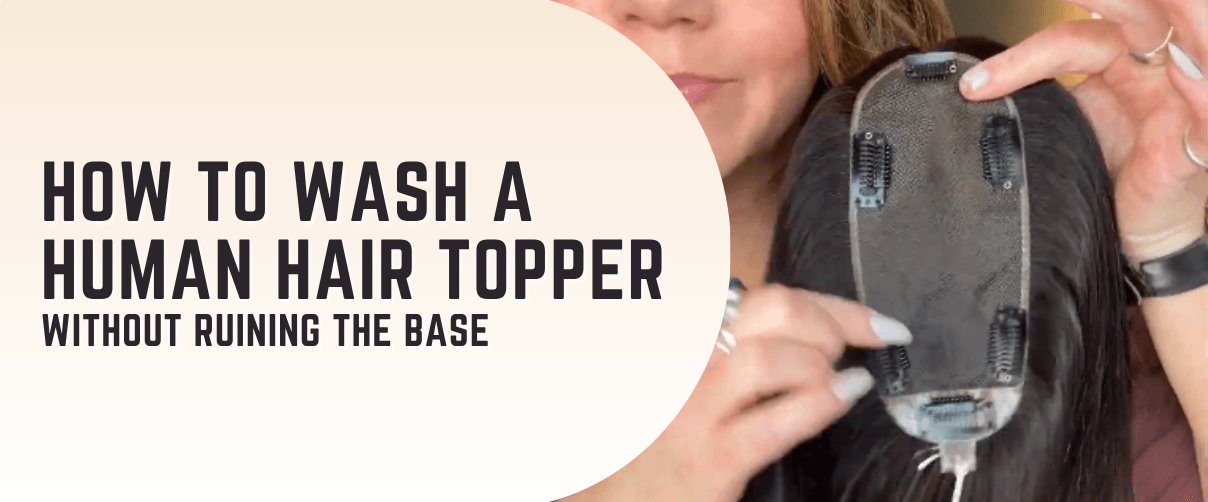
Wash your human hair topper every 10-15 wears, using shampoo made for toppers and wigs, use cool water, and a gentle hand on the base. The base is the delicate part, not the hair. Scrub it, twist it, or blast it with hot water and you'll shorten its life fast.
If you just spent real money on a human hair topper, the last thing you want is to ruin it in the sink. Here's what actually happens to the base if you wash it wrong, and how to do it right so it lasts.
Why the Base Is the Part You Need to Protect
The hair on your topper can usually handle a normal wash routine, similar to your own strands. The base is different. Whether it's a thin skin base, a lace base, or a monofilament base, it's built to sit against your scalp and mimic natural growth. That construction is delicate.
Hot water, harsh rubbing, and the wrong products can break down the knots holding each strand in place, weaken adhesive-friendly edges, or cause the base material to crack or discolor over time. Once that happens, there's no undoing it.
How to Wash a Human Hair Topper Step by Step
1. Detangle First, Always
Before any water touches your topper, brush it out gently with a wide-tooth comb or topper brush. Start at the ends and work up. Washing a tangled topper just tightens the knots and stresses the base.
2. Use Cool or Lukewarm Water
Fill a basin instead of running water directly over the piece. Hot water is one of the fastest ways to damage both the hair cuticle and the base bonding. Cool to lukewarm is safe for both.
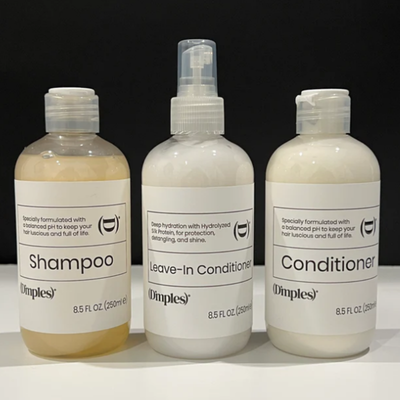
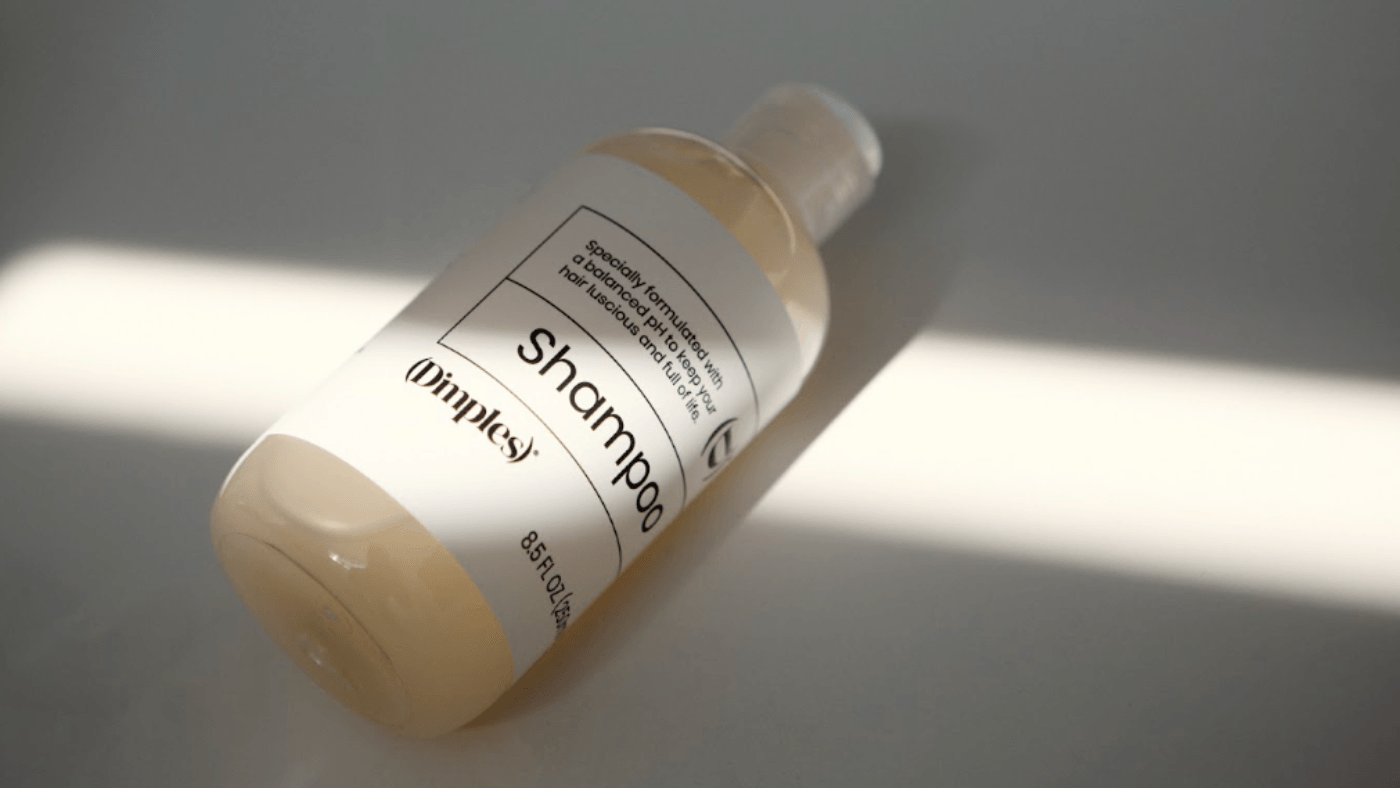
3. Choose a Gentle Shampoo that is recommended by the manufacturer (as you want to get hair care that has been tested on this hair type)
A small amount goes a long way.
4. Apply Shampoo to the Hair, Not the Base
Work shampoo gently through the hair with your fingers, moving in one direction, downward. Avoid scrubbing at the base itself. If your topper sits close to your scalp with adhesive, focus cleaning there separately with a base-specific cleanser rather than shampoo.
5. Rinse Thoroughly but Gently
Let the water run through the hair without twisting or wringing. Squeeze water out gently with your hands, moving from root to tip. Never twist a wet topper like you would a towel.
6. Condition the Mid-Lengths and Ends Only
Keep conditioner away from the base to avoid buildup or slipping if you use adhesive. Apply from about an inch below the base down through the ends, and rinse well.
7. Air Dry on a Stand, Never a Hook
Pat the topper gently with a microfiber towel to remove excess water, then place it on a topper stand or wig head to air dry. Hanging it on a hook can stretch the base out of shape while it's wet and most fragile.
What Ruins a Human Hair Topper's Base Fastest
- Washing too often, which breaks down knots and base material
- Hot water or blow drying on high heat directly at the base
- Scrubbing the base like a scalp instead of gently cleansing it
- Using regular shampoo or dish soap directly on the base
- Storing it wet or folded, which creases and weakens the material
If you're not sure what your specific base type can handle, the American Academy of Dermatology notes that hair systems and wigs vary widely in material and care needs, which is part of why checking with whoever fitted your piece matters more than following generic advice online.
How Often Should You Wash It
Most women wash their human hair topper every 10-15 wears, or roughly every two weeks with daily wear. If you use styling products often, sweat a lot, or wear it in humid climates, you might need to wash a little sooner. Let the hair itself be your guide. When it feels weighed down or looks dull, that's your sign.
It takes time to learn your specific piece, here's what to expect in the first few months: you'll probably overwash or underwash at first. That's normal. Most women find their rhythm within the first two or three wash cycles.
When to Get Help Instead of Guessing
If your topper arrived unstyled or you're not confident about the base type you have, don't guess your way through the first wash. A quick session with a stylist who works with hair systems can save you from an expensive mistake. Many toppers also come with specific care cards from the brand, so check yours before reaching for whatever's in your shower.
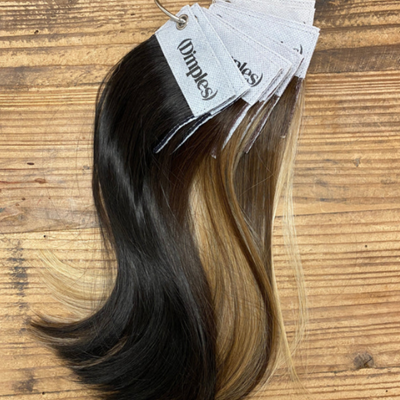
If you're still deciding on a piece and want guidance before you buy, DimplesHair.com offers a free expert consultation, in-person or virtual, including a free color match, so you're not guessing at care instructions for a piece that doesn't even fit your life yet.
Your Hair, Your Way
Caring for a human hair topper is a learning curve, not a test you either pass or fail. Once you know your base type and build a simple routine, washing it becomes as normal as washing your own hair. However you show up each day, the goal is a topper that holds up right alongside you.
If you're building your first care kit or replacing tools that are too rough on your base, browse hair topper kits for beginners for gentler brushes, sulfate-free shampoo, and stands designed for this exact job.
Frequently asked questions
Can I use regular shampoo on my human hair topper?
You can, but sulfate-free formulas are gentler on both the hair and the base over time. Regular shampoo, especially clarifying formulas, can dry out the base material faster than it should.
How do I clean the base of an adhesive topper?
Use a base cleanser made for hair systems rather than shampoo, applied with a soft cloth or cotton pad. This removes adhesive residue and oils without soaking the knots or base material.
Is it okay to blow dry a human hair topper?
Low heat is generally fine for the hair, but keep direct heat away from the base itself. Air drying on a stand is the safest option, especially in the early months while you're still learning the piece.
How long does a human hair topper last with proper washing care?
Many last a year or longer with gentle washing, proper storage, and regular conditioning treatments, though lifespan depends on wear frequency and base type. Skipping harsh scrubbing and hot water makes the biggest difference.
What if I already damaged the base by washing it wrong?
Some issues, like loosened knots or minor base wear, can sometimes be repaired by a stylist experienced with hair systems. If you're unsure whether your piece is salvageable, checking the return and exchange policy is worth it if the damage happened close to purchase.