



Every August is Hair Loss Awareness Month — a month set aside to talk openly about something millions of women live with quietly the rest of the year. If your hair is thinning, shedding, or falling out in patches, this post is for you. We'll walk through why it happens, the main types of hair loss, the feelings that come with it, and the real, wearable options that can help you feel confident and celebrate every version of you. You'll also hear from women who've been exactly where you are.
Key takeaways
- Hair Loss Awareness Month is every August — a time to swap stigma for honest information and support.
- Hair loss in women is common and rarely your fault. More than half of women experience noticeable hair loss in their lifetime (Cleveland Clinic). The usual drivers are genetics, hormones, stress, thyroid or other medical conditions, and nutrition.
- The three types you'll hear about most are female pattern hair loss (gradual thinning on top), telogen effluvium (temporary shedding after stress or illness), and alopecia areata (patchy loss).
- The emotional weight is real — and you are genuinely not alone in feeling it.
- You have good options today. Modern hair toppers and wigs look and move naturally, and a free consultation can help you find the right fit.
Table of Contents
- Key takeaways
- What is Hair Loss Awareness Month?
- How common is hair loss in women?
- Why hair loss happens: common causes in women
- The main types of hair loss, explained simply
- The emotional side: you're not alone
- Real conversations with women navigating hair loss
- Wigs and hair toppers: solutions that support you
- How to choose the right hair solution for you
- Finding your community: support and education
- FAQs
- Taking the next step
What is Hair Loss Awareness Month?
Hair Loss Awareness Month takes place every August. It's a dedicated stretch of the year for raising awareness about the causes and types of hair loss, breaking down the stigma that keeps so many women suffering in silence, and pointing people toward help that actually exists.
The idea is simple: the more openly we talk about hair loss, the less alone anyone has to feel. So this month is really about three things:
- Awareness — understanding what causes hair loss and what can be done about it.
- Support — connecting women with communities, resources, and people who get it.
- Self-acceptance — making room for confidence, on your own terms.
At Dimples, it's also a month close to our hearts. We've spent decades sitting with women through this exact experience, and we know that good information at the right moment changes everything.
How common is hair loss in women?
If you're losing hair, here's the first thing worth knowing: you are in very large company. Hair loss is often thought of as a men's issue, but it affects an enormous number of women too — and the odds go up with age and around menopause.
- More than 50% of women will experience noticeable hair loss, according to Cleveland Clinic. Female pattern hair loss alone affects an estimated 30 million people in the U.S.
- It becomes more common with age. A review published by the National Institutes of Health found clinically detectable female pattern hair loss in around 12% of women by age 30, rising to 30–40% of women between ages 60 and 69.
- Menopause is a major trigger. As hormone levels shift, hair follicles shrink — so hair grows finer and existing hair thins out (Cleveland Clinic).
- Alopecia areata affects roughly 1 in 50 people at some point in life — an estimated lifetime risk of about 2.1% (NIH-indexed research).
None of these numbers make hair loss easier to go through. But they do make one thing clear — this is common, it's medically understood, and there is nothing shameful about it.
Why hair loss happens: common causes in women
Hair loss in women usually traces back to one (or a mix) of a handful of causes. Knowing which one is at play matters, because it shapes what will actually help.
- Genetics (androgenetic alopecia). The most common cause — a hereditary tendency toward gradual thinning, often across the top of the scalp.
- Hormonal changes. Pregnancy, childbirth, coming off birth control, and especially menopause can all trigger shedding or thinning as hormone levels shift.
- Medical conditions. Thyroid disorders, autoimmune conditions like alopecia areata, and certain illnesses or medications can all affect hair.
- Stress and nutrition. A major stressor, surgery, illness, or a nutritional gap (like low iron) can push hair into a shedding phase — often two to three months after the event itself.
Because the causes overlap and the timeline can be confusing, it's worth talking to a doctor or dermatologist if your hair loss is sudden, patchy, or worrying you. Pinpointing the cause is the first practical step toward the right solution — whether that's medical treatment, a lifestyle change, or a hairpiece that helps you feel good in the meantime.
The main types of hair loss, explained simply
There are several types of hair loss women experience. These three come up most often:
Female pattern hair loss (androgenetic alopecia)
The most common type. It shows up as gradual, diffuse thinning — usually a widening part or less volume across the top and crown, rather than a receding hairline. It tends to be hereditary and often becomes more noticeable after menopause.
Telogen effluvium (stress- or illness-related shedding)
This is temporary, widespread shedding that follows a trigger — think childbirth, a high fever, surgery, crash dieting, or a period of intense stress. The shedding usually starts a couple of months after the trigger and, reassuringly, often recovers on its own once the cause passes.
Alopecia areata (patchy hair loss)
An autoimmune condition where the immune system mistakenly targets hair follicles, causing round, patchy bald spots that can appear (and sometimes regrow) fairly quickly. It can affect the scalp, and in some cases eyebrows, lashes, or other areas.
Identifying your type is what turns "why is this happening?" into "here's my plan." Each type calls for a slightly different approach — and for many women, a topper or wig is part of feeling like themselves while they figure out the rest.
The emotional side: you're not alone
Let's be honest about the part that's hardest to put into words. Hair loss isn't only physical. For a lot of women it touches identity, confidence, and how safe they feel being seen — and that grief is completely valid.
This isn't just in your head, and it isn't vanity. Research published by the National Institutes of Health shows that hair loss tends to affect women's quality of life, self-esteem, and emotional wellbeing more than men's. Feeling anxious, self-conscious, or grief-stricken about losing your hair is a normal, well-documented response.
What helps? Not going through it alone. Support can come from the people closest to you, from others who've lived it, or from communities built specifically for women with hair loss:
- Family and close friends who'll listen without trying to fix it
- Hair loss support groups, in person and online
- Online communities where women share what's actually worked
Hearing "me too" from someone who truly understands can loosen the isolation in a way almost nothing else does.
Real conversations with women navigating hair loss
Some of the most powerful support comes from women who've walked this road themselves. Their honesty — the hard parts and the hopeful ones — is a reminder that you're not doing this alone. Here are a few of their stories, in their own words.
Marcy Gallant
A social media creator who's redefining beauty standards. Diagnosed with alopecia at just six years old, Marcy's path from self-consciousness to genuine self-assurance is as inspiring as it gets.
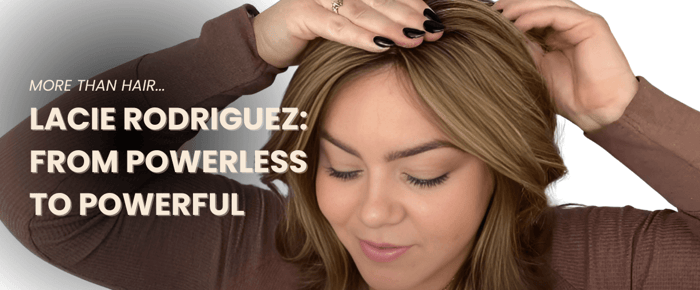
Lacie Rodriguez
Known for her presence online, Lacie has become a source of encouragement in the female hair loss community. Her journey began in college, when depression and anxiety triggered her hair loss.
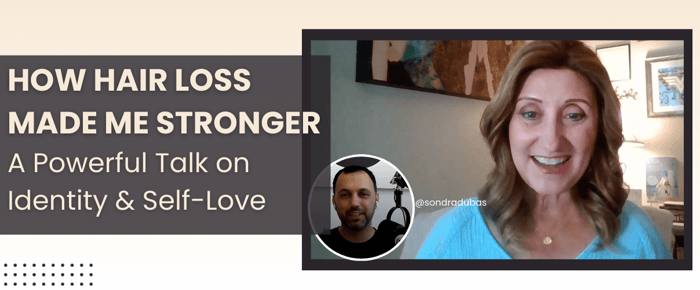
Sondra Dubas
Sondra spent 17 years hiding her hair loss. In this deeply honest conversation, she shares how alopecia reshaped her identity, her confidence, and her relationship with self-love.
Jo Tucker
Jo is a hard-working single mother of three. When she lost her hair five years ago, she chose to be open and vulnerable about her experience with alopecia from day one.
Ashley
The incredible woman behind "Life Beyond Locks." Ashley opens up about her personal hair loss journey, the challenges along the way, and how she found the confidence to embrace alternative hair.
More Stories
→ Explore our full YouTube playlist to hear from even more women sharing their honest experiences with hair loss — in their own words, on their own terms.
Wigs and hair toppers: solutions that support you
Finding the right solution can genuinely change how you feel walking out the door each morning. Hair toppers and wigs are customizable, natural-looking options — and which one fits depends mostly on how much coverage you need.
Hair toppers — for thinning and early-stage loss
A hair topper adds volume and coverage exactly where you need it, clipping into your existing hair. If your thinning is concentrated on the top or crown, a topper blends in seamlessly and lets you keep and use your own hair around it.
Wigs — for fuller coverage
A wig gives you complete coverage, which makes it ideal for more extensive hair loss. With different lengths, styles, and materials to choose from, a wig lets you change up your look as much (or as little) as you like.
Whichever direction you lean, the factors that matter most are the same:
- Comfort — because you'll be wearing it, sometimes all day.
- Quality — well-made pieces last longer and hold up to real life.
- Realism — a natural hairline and movement are what let you stop thinking about it.
Both toppers and wigs are beautiful, wearable ways to spend less energy on your hair and more on your actual life.
How to choose the right hair solution for you
The right choice comes down to your hair loss and your lifestyle. A few questions make it much simpler:
- How much coverage do you need? Thinning on top points toward a topper; more extensive loss points toward a wig.
- How often will you wear it? Everyday wearers should prioritize comfort and durability.
- What's your budget — and your timeline? Think of it as an investment in something you'll reach for daily.
You don't have to figure this out alone. Talking it through with an expert takes the guesswork out of styles, cap sizes, and color — and it's free.
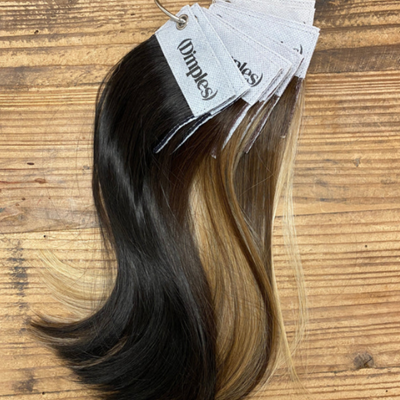
→ Book our free virtual consultation, or try our free Hair Color Match service to find your perfect shade.
Finding your community: support and education
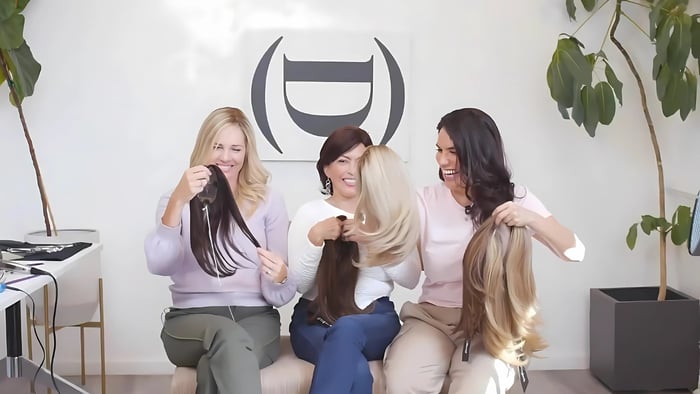
Hair loss is so much easier to carry with the right people around you. Connecting with others who share the experience is reassuring in a way that advice alone never quite is. A few places to start:
- Online forums and social media groups for women with hair loss
- Local support groups and meetups
- Educational webinars and workshops
These spaces give you shared stories, practical tips, and a standing reminder that you're not alone in this. Being part of a caring community is one of the most underrated sources of confidence there is.
Frequently asked questions
What is the main cause of hair loss in women?
The single most common cause is androgenetic alopecia — hereditary, or "female pattern," hair loss. Hormonal changes (especially menopause), thyroid problems, stress, illness, and nutritional deficiencies are other frequent causes, and often more than one is involved at once.
Is it normal to lose hair every day?
Yes. The American Academy of Dermatology notes it's normal to lose between 50 and 100 hairs a day. Losing a bit of hair daily is a normal part of the hair's natural growth cycle. It's worth paying attention when you notice a sudden increase, thinning patches, or a widening part.
How do I know if my hair is thinning?
Common early signs include a wider part, seeing more scalp under bright light, a smaller ponytail, more hair than usual in your brush or shower drain, or your usual styles not holding volume. Comparing photos over a few months can make subtle changes easier to spot.
How much hair loss is normal?
Losing 50 to 100 hairs a day is considered normal, according to the American Academy of Dermatology — new hair grows in as old hair sheds, so it doesn't cause visible thinning. Consistently losing more than that, or noticing thinning and patches, is worth getting checked by a doctor or dermatologist.
How do I stop my hair from falling out?
It depends on the cause. Temporary shedding (telogen effluvium) often resolves once the trigger passes. For hereditary thinning, treatments and professional guidance can help. The best first step is identifying the cause with a healthcare professional — and in the meantime, a topper or wig can restore fullness and confidence.
Can dyeing your hair cause hair loss?
Hair dye doesn't typically cause true hair loss from the root. However, harsh chemical processing can weaken and break the hair shaft, which can look and feel like thinning. Gentle handling and spacing out chemical treatments helps.
Does wearing a hat cause hair loss?
No — wearing a hat doesn't cause hair loss. A hat that's extremely tight and worn constantly could contribute to breakage over time, but everyday hat-wearing is not a cause of thinning.
Can stress cause hair loss?
Yes. Significant physical or emotional stress can trigger telogen effluvium, a temporary shedding that usually shows up two to three months after the stressful event. The reassuring part: Cleveland Clinic reports that in about 95% of acute cases it resolves on its own, with hair typically regrowing within three to six months once the trigger passes.
Can a dry or flaky scalp cause hair loss?
A dry, itchy scalp on its own doesn't usually cause lasting hair loss, but heavy scratching or an untreated scalp condition can lead to temporary shedding or breakage. Treating the underlying scalp issue typically settles it.
Does menopause or hormonal change trigger hair loss?
Yes. Falling estrogen around menopause is a very common trigger for thinning in women, and other hormonal shifts — pregnancy, postpartum, and stopping birth control — can cause shedding too. This kind of hair loss is common and manageable.
Can birth control cause hair loss?
It can, in some women — both while taking certain hormonal contraceptives and after stopping them, as hormone levels readjust. If you suspect a link, your doctor can talk you through alternatives.
Can medications or medical treatments cause hair loss?
Some can. Certain medications and treatments — including chemotherapy and radiation to the head — are known to cause hair loss. If you're facing treatment-related hair loss, a wig fitted in advance can make the transition much gentler, and it may be covered by insurance.
Taking the next step
Moving forward with your hair loss — whatever that looks like for you — is an act of self-care. Learning more, trying something new, or simply giving yourself a little grace all count. And if a topper or wig is part of that, the right one can hand you back a real sense of ease.
Through all of it, community matters. You are not alone — and by being open about your own story, you might be the reason someone else finds the courage to start theirs.
Ready when you are. Explore our collection of lightweight, natural-looking wigs and toppers, or book a free consultation for personalized support. Wherever you are in this, we're here to help you feel seen, supported, and confident.
Hera 19" | Remy Human Hair Lace Front Wig (Hand-Tied)
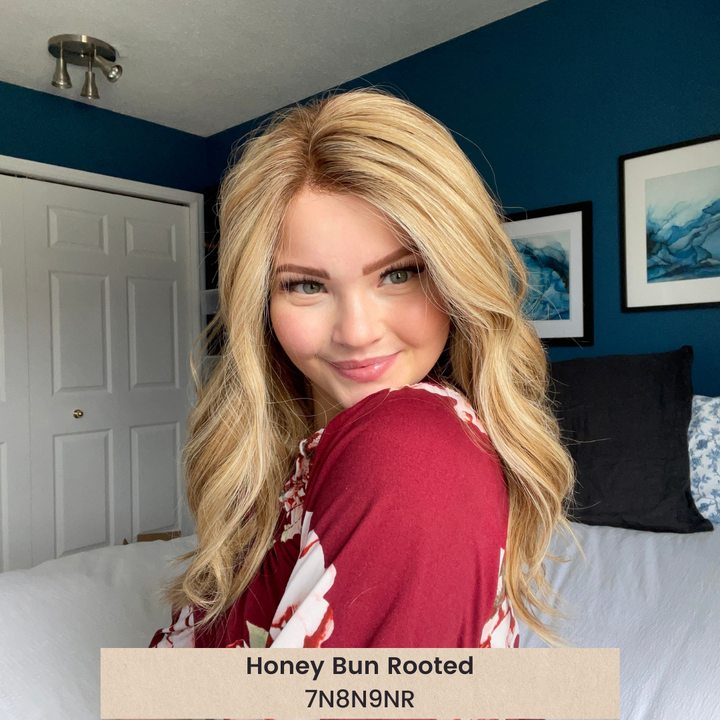
£2,078.00
£2,968.00
Hera 19" is made for bold beauty and everyday wear. With flowing 19" of Remy human hair and a seamless lace front, this hand-tied wig gives you freedom to move, part, and style — all without compromise. PerFit® Cap Construction:… read more
Sophia | Synthetic Hair Lace Front Wig (Hand-Tied)

£500.00
Color Shown: Honey & Cream Rooted (14/22R) Features: Hair Type: Synthetic Hair (Not heat-friendly) Hair Length: 10-28cm Cap Size: 52.7cm Base Type: Lace Front Wig Silk mono-top Hand-tied with silicone grip Weight: 89g … read more
Clio 12 L | Remy Human Hair Topper (Hand-Tied)

£1,288.00
£1,610.00
Clio 12 L is a lightweight, hand-tied Remy human hair topper designed for women with thinning hair or early-stage hair loss. Made with 100% Remy hair, it offers soft movement, natural volume, and a secure, comfortable fit for everyday wear.… read more
Clio 8 L | Hand-Tied Synthetic Hair Topper (Heat-Friendly)

£194.00
£278.00
Clio 8 L is a short hair topper made with heat-friendly synthetic fibers—designed for women who want natural volume and coverage in an easy 8" length. With its large 6" x 7" LaceFit base, it’s ideal for boosting thinning hair,… read more
About the author
The Dimples Hair Team is made up of wig and hair topper specialists with decades of experience in alternative hair and hair loss education. Since 1968, Dimples has handcrafted high-quality wigs and toppers for women with hair loss, with locations in the UK and the United States. Every article is written or reviewed by our team to ensure accurate, practical guidance drawn from real consultation and styling experience.
This article is for education and support and isn't a substitute for medical advice. If you're concerned about hair loss, please speak with a doctor or dermatologist.